
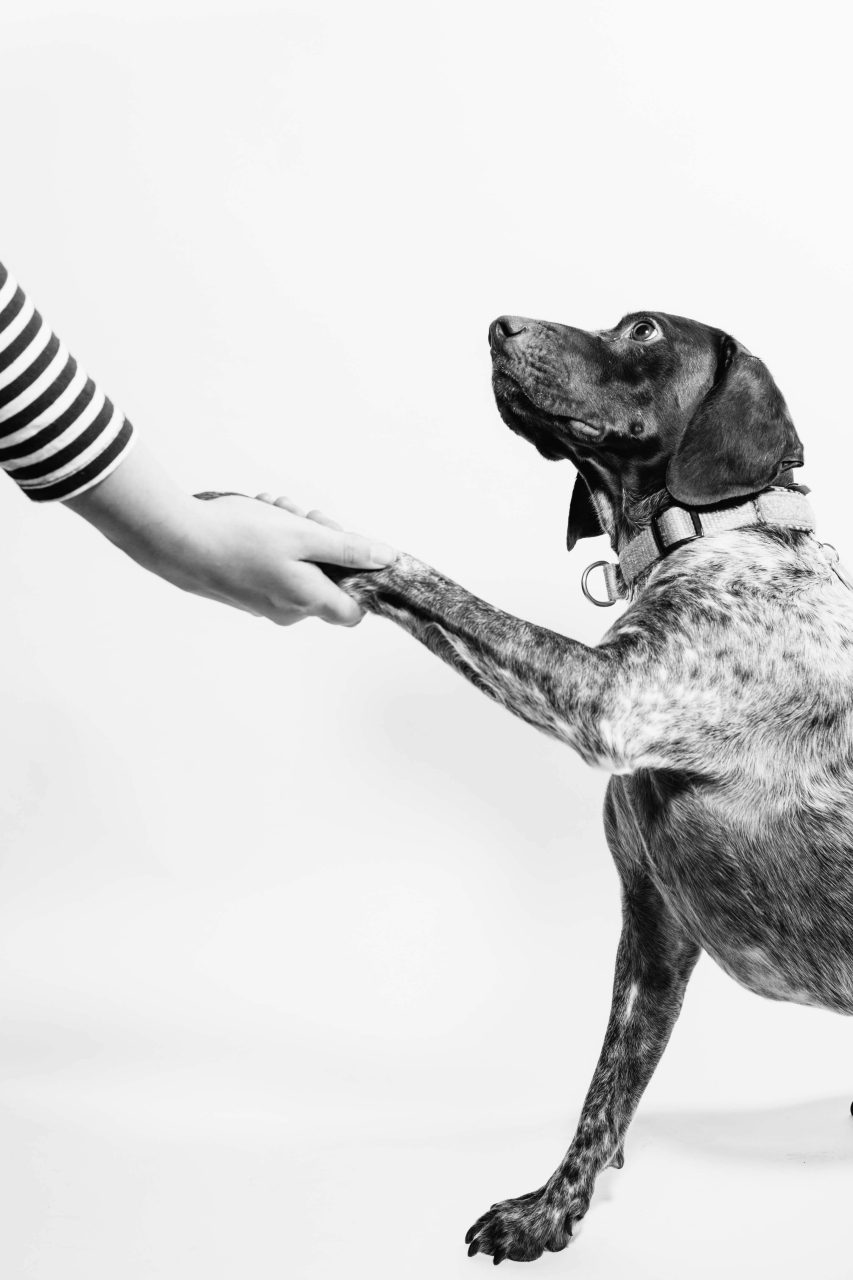
Understanding Dog Body Language: The Key to Canine Communication
Dogs have a unique way of communicating with us, and it’s essential to understand their body language to build a strong and healthy relationship. Misreading a dog’s signals can lead to misunderstandings and potentially dangerous situations. Let’s delve into the importance of deciphering dog body language and explore a scenario where misinterpretation can have serious consequences.
**The Importance of Understanding Dog Body Language**
Dogs use a combination of vocalizations, facial expressions, and body postures to convey their emotions and intentions. By learning to read these cues, we can better understand how our furry friends are feeling and respond appropriately.
For instance, a wagging tail doesn’t always mean a dog is happy. Depending on the speed, height, and stiffness of the tail, it can indicate excitement, fear, or aggression. Similarly, a dog’s posture, ear position, and eye contact provide valuable insights into their state of mind.
**The Story of Misreading a Dog**
Imagine a scenario where a dog is playing at the park, chasing a ball with their owner. As the game progresses, the dog starts to show signs of fatigue—a decrease in tail wagging, panting heavily, and flattened ears. However, the owner misinterprets these signs as the dog enjoying the game and encourages more play.
As the dog’s exhaustion increases, they become overstimulated and anxious. In their distress, the dog snaps at a nearby dog, leading to a scuffle. The owner, taken aback by this unexpected behavior, doesn’t understand what went wrong.
In this situation, misreading the dog’s signals not only led to a negative interaction with another pet but also put the dog’s well-being at risk. Understanding and respecting a dog’s body language could have prevented this escalation and ensured a positive experience for everyone involved.
**Further Resources for Understanding Dog Body Language**
To deepen your understanding of dog body language, consider exploring the following resources:
By educating ourselves on how dogs communicate non-verbally, we can strengthen our bond with our canine companions and create a safe and enriching environment for them. Remember, a wagging tail isn’t always a sign of happiness, and attentive observation is key to understanding what our dogs are trying to tell us.